Every Peptide You Need to Know in 2026: The Complete Guide to What They Do, Where to Get Them & What the Regulations Say
Tirzepatide, BPC-157, GHK-Cu, NAD+, Semax and 15 more decoded. The real story on UAE compounding pharmacies, the FDA's 2026 reclassification, pharmaceutical vs research grade, and why your supply chain matters more than your stack.

Peptides are short chains of amino acids — the same building blocks that make up every protein in your body. You already produce thousands of them. They function as biological signals: tiny messengers that tell your cells when to burn fat, repair a torn muscle, release growth hormone, regulate your sleep cycle, or dial inflammation up or down.
Peptide therapy is the practice of using specific peptides — either identical to what your body makes or synthetically optimized — to amplify or restore these signals. You are not forcing your biology to do something foreign. You are turning up the volume on a conversation your body is already having.
That is what makes peptides different from most pharmaceuticals. A painkiller blocks a signal. A peptide modulates one. That distinction is at the core of why peptide therapy has become central to longevity medicine, sports recovery, metabolic optimization, and hormonal health.
The category is exploding. Over 10 million monthly searches in the US alone across 7,000+ peptide-related keywords. Tirzepatide pulls 1 million searches a month by itself. GHK-Cu grew over 1,000% year-over-year. But attention and evidence are not the same thing — and that gap is exactly what this guide is here to close.
Why People Are Using Peptides Right Now
The demand is being driven by five distinct use cases, each with its own level of evidence and risk:
-
Weight loss and metabolic health. GLP-1 receptor agonists (semaglutide, tirzepatide) have rewritten the playbook. These are FDA-approved, backed by massive clinical trials, and have moved from diabetes treatment into mainstream weight management.
-
Muscle recovery and tissue repair. BPC-157 and TB-500 have built enormous followings among athletes, weekend warriors, and post-surgical patients looking to accelerate healing of tendons, ligaments, and soft tissue.
-
Longevity and anti-aging. Copper peptides (GHK-Cu), telomerase activators (Epithalon), and mitochondrial peptides (MOTS-c) are the tools longevity clinics are building protocols around.
-
Growth hormone optimization. CJC-1295/Ipamorelin, Sermorelin, and Tesamorelin stimulate your body's own GH production — a cleaner approach than synthetic HGH with a better side-effect profile.
-
Hormonal, cognitive, and sexual health. From Gonadorelin for fertility preservation during TRT, to PT-141 for sexual health, to Semax and Selank for neuroprotection and focus — peptides are expanding into areas that used to have very few options.
And it is not just biohackers anymore. Adults in their twenties and thirties are the fastest-growing demographic exploring peptide therapy. They are not waiting for problems. They are optimizing proactively — driven by social media, longevity culture, and a fundamental generational shift from reactive to preventive healthcare.

The Full Peptide Directory: 20 Peptides Decoded
Below is every peptide that matters in the current longevity and wellness landscape, organized by what they actually do. Each entry includes the delivery method and a straight description — no marketing fluff.
Weight Loss & Metabolic Health
| Peptide | Category | What It Does | Delivery |
|---|---|---|---|
| Tirzepatide | GLP-1/GIP Dual Agonist | Targets both GLP-1 and GIP receptors for appetite suppression, insulin regulation, and blood sugar control. FDA-approved as Mounjaro and Zepbound. The single most searched peptide in 2026 at 1M+ monthly searches. | Injection |
| Semaglutide | GLP-1 Agonist | Mimics the GLP-1 hormone to regulate appetite and metabolism. FDA-approved as Ozempic (diabetes) and Wegovy (weight management). The compound that brought peptides into the mainstream. | Injection |
| AOD-9604 | GH Fragment | A modified fragment of human growth hormone (amino acids 176–191) that targets fat metabolism without the broader effects of full HGH. Widely used in body recomposition protocols. | Injection |
| Tesamorelin | GHRH Analogue | Growth hormone-releasing hormone analogue. FDA-approved for HIV-associated lipodystrophy. Used off-label in longevity clinics for visceral fat reduction and metabolic improvement. | Injection |
Recovery & Tissue Repair
| Peptide | Category | What It Does | Delivery |
|---|---|---|---|
| BPC-157 | Gastric Peptide | Derived from a protein found in gastric juice. Studied for accelerating healing of tendons, ligaments, muscles, gut lining, and nerves. The most searched non-weight-loss peptide globally (~165K/month). Strong preclinical data; limited human trials. | Injection / Oral |
| TB-500 | Thymosin Beta-4 Fragment | Synthetic fragment of thymosin beta-4. Involved in cell migration, blood vessel formation, tissue repair, and inflammation control. Frequently stacked with BPC-157 in recovery protocols. | Injection |
| Thymosin Alpha 1 | Immune Modulator | Supports immune system regulation. Studied in chronic infections, immunodeficiency, and as adjunct cancer therapy. FDA-approved as Zadaxin in multiple countries for hepatitis B treatment. | Injection |
Longevity & Anti-Aging
| Peptide | Category | What It Does | Delivery |
|---|---|---|---|
| GHK-Cu | Copper Peptide | Copper-binding peptide involved in collagen synthesis, skin regeneration, wound healing, and anti-inflammatory signaling. The fastest-growing peptide in search volume at +1,016% year-over-year. Used topically for skin and via injection for systemic effects. | Injection / Topical |
| Epithalon | Telomerase Activator | Synthetic version of naturally occurring epithalamin. Studied for activating telomerase, potentially influencing cellular aging and DNA repair. A cornerstone of most serious longevity protocols. | Injection |
| MOTS-c | Mitochondrial Peptide | Mitochondrial-derived peptide involved in metabolic regulation and cellular energy production. Functions as an exercise mimetic. Represents the frontier of longevity science — targeting the energy engine of cells rather than individual symptoms. | Injection |
| NAD+ | Coenzyme | Not a peptide in the strict sense but universally included in peptide protocols. Supports cellular energy production (ATP), DNA repair, and sirtuin activation. Declining NAD+ levels are linked to aging. Central to virtually every longevity program. | IV / Injection / Oral |
Growth Hormone Optimization
| Peptide | Category | What It Does | Delivery |
|---|---|---|---|
| CJC-1295 / Ipamorelin | GH Secretagogue Stack | CJC-1295 (GHRH analogue) paired with Ipamorelin (selective GH secretagogue). Stimulates natural, pulsatile growth hormone release without the side-effect profile of synthetic HGH. One of the most widely prescribed peptide combinations globally. | Injection |
| Sermorelin | GHRH Analogue | One of the earliest peptides used in anti-aging medicine. Stimulates natural GH production from the pituitary. FDA-approved as a diagnostic agent. Well-studied safety profile. | Injection |
Hormonal & Sexual Health
| Peptide | Category | What It Does | Delivery |
|---|---|---|---|
| PT-141 | Melanocortin Agonist | FDA-approved as Vyleesi for hypoactive sexual desire disorder. Works through the central nervous system (not the vascular system like Viagra). Effective for both men and women. | Injection |
| Kisspeptin-10 Acetate | Reproductive Neuropeptide | Stimulates GnRH release, playing a critical role in reproductive health, puberty onset, and hormonal regulation. Emerging research in fertility, hormonal balance, and metabolic signaling. | Injection |
Cognitive & Neuroprotective
| Peptide | Category | What It Does | Delivery |
|---|---|---|---|
| Semax | Neuropeptide | Synthetic analogue of ACTH (4–10). Developed in Russia and extensively studied for cognitive enhancement, neuroprotection, focus, and recovery from brain injury. One of the most established nootropic peptides. | Nasal Spray |
| Selank | Anxiolytic Peptide | Based on the immunomodulatory peptide tuftsin. Studied for anti-anxiety effects, cognitive improvement, and immune modulation without sedation. Often stacked with Semax for a combined cognitive and anxiolytic protocol. | Nasal Spray |
This directory is for informational purposes. Peptides are medical products requiring clinical assessment, prescription, and supervision. Availability and legal status vary by jurisdiction.
Peptides vs. Ozempic and Mounjaro: What People Get Wrong
Ozempic and Mounjaro are peptides. Full stop. They are FDA-approved peptide drugs, manufactured to pharmaceutical-grade standards, validated by trials involving tens of thousands of patients.
When the wellness world talks about "peptide therapy," they usually mean a much broader category that includes these FDA-approved drugs and non-FDA-approved compounded peptides prepared by specialty pharmacies. The word "peptide" covers both, but the evidence, quality control, and safety monitoring behind them could not be more different. Knowing where your peptide sits on that spectrum is not optional — it is the most basic due diligence there is.
The Supply Chain: Pharmaceutical Grade vs. Research Grade
If you take one thing from this entire article, make it this: the biggest risk in peptide therapy is not the peptide itself. It is where it came from.
Two Completely Different Products
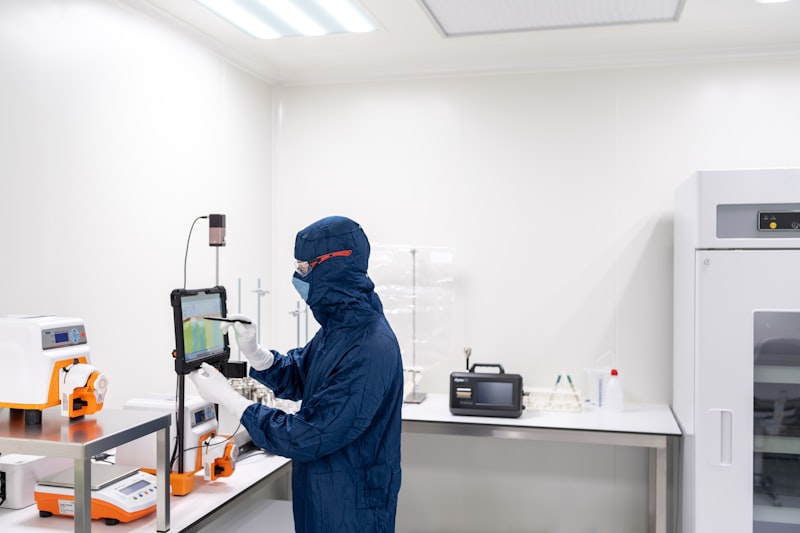
Pharmaceutical-grade peptides are manufactured in GMP-certified facilities under sterile, validated conditions. They are subject to regulatory audits, produced for clinical use, and tested to purity levels of 99% or above.
Research-grade peptides are manufactured for laboratory use. Purity may be 95–98%. They are not produced under sterile conditions, not tested for human safety, and carry a label that says "For research purposes only — not for human consumption." That label exists for a reason.
The problem is that a significant volume of peptides in the wellness market — especially those purchased online — are research-grade products being injected as though they were pharmaceutical-grade. This is not a grey area. It is a safety risk that most consumers do not understand and most marketing deliberately obscures.
Certificates of Analysis: What to Demand
Every legitimate peptide product should come with a Certificate of Analysis (CoA) — a document from a testing laboratory detailing the identity, purity, and quality of a specific batch. No CoA, no trust. Here is what a credible one includes:
- Peptide identity and amino acid sequence confirmation
- Batch/lot number for full traceability
- Purity by HPLC — pharmaceutical grade should be ≥99%
- Mass spectrometry data confirming the molecular weight matches the target peptide
- Endotoxin and sterility testing for any injectable product
- Third-party verification — independent testing from an ISO 17025-accredited lab carries far more weight than in-house results
A CoA is necessary but not sufficient. It does not prove a product is pharmaceutical grade, does not confirm sterility, and does not replace regulatory approval. Think of it as the minimum. If your provider cannot even produce this, you should not be their patient.
Safety and Risks: What Nobody Wants to Talk About
The single most dangerous myth in peptides: "They're natural, so they're safe." No. The moment you inject a peptide therapeutically, you are doing pharmacology. It deserves the same respect as any drug.
Here is what you actually need to worry about:
-
No long-term data for most compounds. BPC-157 has strong animal studies but limited controlled human trials on sustained use. The same is true for many popular peptides. We do not fully know what years of use looks like.
-
Self-experimentation is dangerous. Online forums and Telegram groups are not medical supervision. Without blood work, clinical assessment, and monitoring, you are guessing — and guessing with injectable compounds has real consequences.
-
Sourcing is the hidden risk. An impure or degraded peptide can cause infections, allergic reactions, or simply do nothing at all. You cannot assess this risk without supply chain transparency.
-
Psychological dependency is real. Peptides are not physically addictive, but the optimization mindset can create a cycle where people escalate dosages and stack compounds without supervision. More is not better.
Peptides are medical products. They require consultation, clinical assessment, blood work, a supervised protocol, and ongoing monitoring. That is not a nice-to-have. That is the baseline.
Peptide Regulation in the UAE: What You Need to Know
The UAE is one of the most active peptide therapy markets in the world. Dubai and Abu Dhabi are home to a growing ecosystem of longevity clinics, wellness centres, and performance medicine practices offering peptide protocols. But behind the premium clinic brochures, there is a regulatory reality that every consumer needs to understand.

The Regulated Channel: MOH, DOH, and the Emirates Drug Establishment
The UAE's pharmaceutical framework is overseen by three bodies: the Ministry of Health and Prevention (MOHAP), the Department of Health Abu Dhabi (DOH), and the Emirates Drug Establishment (EDE) — a new entity established under Federal Decree-Law No. 38 of 2024 (effective January 2025) to regulate medical products, pharmacy practice, and pharmaceutical establishments.
Compounding pharmacies in the UAE fall under MOHAP's jurisdiction. This means that peptides sourced through licensed, regulated compounding pharmacies operate within a structured framework with oversight on sourcing standards, manufacturing quality, and dispensing controls. Clinics working through this regulated channel can provide pharmaceutical-grade peptides with proper traceability — from manufacturer to patient.
The Grey Market: Research-Grade Peptides in the UAE
Here is the part that does not appear in any clinic's marketing. Alongside the regulated supply chain, there is a parallel market of research-grade peptides being imported into the UAE through unofficial channels. These products are labelled "for research use only," manufactured without pharmaceutical-grade sterility or quality standards, and imported outside the proper regulatory framework.
Yet these are the peptides that end up in the hands of consumers who order online, buy through social media, or source from unregulated suppliers — often without understanding that what they are injecting was never manufactured for human use. The vial looks the same. The label looks professional. But the product inside may contain impurities, incorrect concentrations, or degraded compounds — and there is zero traceability if something goes wrong.
The bottom line: if you are considering peptide therapy in the UAE, go through a licensed clinic that works with MOH/DOH-regulated compounding pharmacies. Ask where the peptides are sourced. Ask for the Certificate of Analysis. Ask whether the product is pharmaceutical grade or research grade. If the answers are vague, find a different provider.
The US FDA Reclassification: A Global Turning Point
The biggest regulatory shift in peptide access in years happened in February 2026 — and its impact reaches far beyond American borders.
What Happened
In 2023, the FDA placed 19 widely used peptides on its Category 2 restricted list, effectively banning licensed compounding pharmacies from preparing or dispensing them. The list hit the biggest names in longevity medicine: BPC-157, Thymosin Alpha-1, TB-500, CJC-1295, Ipamorelin, AOD-9604, GHK-Cu, Selank, Semax, MOTS-c, and more. Overnight, the legal pathway for physician-prescribed, pharmacy-compounded peptide therapy was shut down.
On February 27, 2026, HHS Secretary Robert F. Kennedy Jr. announced that approximately 14 of the 19 restricted peptides would be reclassified back to Category 1 — restoring the legal pathway for licensed compounding pharmacies to prepare them with a valid physician's prescription. The peptides expected to return include BPC-157, Thymosin Alpha-1, TB-500, CJC-1295, Ipamorelin, AOD-9604, GHK-Cu, Selank, Semax, KPV, and MOTS-c.
What This Actually Means
Category 1 status means these peptides can be legally compounded and prescribed through licensed pharmacies. It does not mean they are now "FDA-approved drugs" — that requires full clinical trials and a formal approval process. Think of it as regulated access, not a blanket endorsement of efficacy.
For the rest of the world — including the GCC — this matters because US regulatory decisions set global precedent. Greater legal access in the US strengthens the case for physician-supervised, pharmacy-sourced peptide therapy everywhere, and puts pressure on grey market alternatives that cannot meet the same standards.
How to Approach Peptide Therapy the Right Way
Whether you are exploring peptides for the first time or evaluating a new protocol, this is the framework that separates smart use from reckless experimentation:
-
Fix the foundation first. Sleep, nutrition, exercise, stress, metabolic health. No peptide compensates for a broken baseline. This is not the boring answer — it is the correct one.
-
Define the problem before choosing the peptide. Start with a goal, not a compound. Weight loss, recovery, hormonal balance, longevity — each requires a different pathway and a different peptide.
-
Get a proper clinical assessment. Blood work, medical history, contraindication screening. Peptides are medical products, not supplements you add to a smoothie.
-
Demand supply chain transparency. Pharmaceutical grade or research grade? Where was it manufactured? Is there a Certificate of Analysis from a third-party lab? If the provider cannot answer these questions, they are not the right provider.
-
Use a licensed clinic. In the UAE, that means sourcing through MOH/DOH-regulated compounding pharmacies. In the US, a licensed 503A or 503B pharmacy with a physician's prescription.
-
Track outcomes and adjust. Peptides work through biological signaling — gradual, cumulative, measurable. If you are not tracking biomarkers and adjusting, you are guessing.
The Bottom Line
Peptide therapy is not a trend. It is a category of medicine that is maturing in real time — with real science behind some compounds, real regulatory momentum in the US and the GCC, and real risks when the supply chain is opaque or the supervision is absent.
The 2026 FDA reclassification of 14 peptides back to legal compounding status is a landmark moment. The UAE's regulated compounding pharmacy system provides a structured pathway that most markets do not have. But the grey market is real, the gap between pharmaceutical-grade and research-grade is not academic, and the difference between a supervised protocol and a self-prescribed stack from Telegram is the difference between medicine and a gamble.
Peptides are signals. They work inside complex biological networks. Used with precision — the right compound, the right source, the right supervision, the right measurement — they are among the most promising tools in modern wellness. Used without those things, they are just another hype cycle.
Medical Disclaimer
This article is for educational and informational purposes only. It does not constitute medical advice. Peptides are medical products that should only be used under the supervision of a licensed healthcare provider. Always consult your doctor before starting any peptide protocol.
Frequently Asked Questions
The most searched and used peptides in 2026 are: Tirzepatide (1M+ monthly searches, weight loss), BPC-157 (~165K monthly searches, tissue repair), GHK-Cu (+1,016% growth, anti-aging), Semaglutide (weight loss/diabetes), CJC-1295/Ipamorelin (growth hormone optimization), and Epithalon (longevity/telomerase activation).
Yes. Peptide therapy is legal in the UAE when prescribed by a licensed physician and administered through a clinic using MOH/DOH-regulated compounding pharmacies. Research-grade peptides imported through unofficial channels are not regulated for human use. Always go through a licensed clinic with pharmaceutical-grade sourcing.
Pharmaceutical-grade peptides are manufactured in GMP-certified facilities under sterile conditions, tested to 99%+ purity, and subject to regulatory audits. Research-grade peptides are made for laboratory use, may be 95-98% pure, are not produced under sterile conditions, and carry 'not for human consumption' labels. The biggest risk in peptide therapy is sourcing, not the peptide itself.
In February 2026, the US government announced that approximately 14 of 19 previously restricted peptides would be reclassified back to Category 1, restoring the legal pathway for licensed compounding pharmacies. This includes BPC-157, TB-500, GHK-Cu, CJC-1295, Ipamorelin, AOD-9604, Semax, Selank, and MOTS-c. This does not make them FDA-approved drugs — it means they can be legally compounded with a physician's prescription.
A Certificate of Analysis is a document from a testing laboratory detailing the identity, purity, and quality of a specific peptide batch. It should include: peptide identity and amino acid sequence, batch/lot number, purity by HPLC (should be 99%+ for pharmaceutical grade), mass spectrometry data, endotoxin and sterility testing for injectables, and ideally third-party verification from an ISO 17025-accredited lab.
All injectable peptides in the UAE require a prescription from a licensed physician. Buying peptides online without a prescription means you are likely receiving research-grade products manufactured without pharmaceutical-grade sterility or quality standards. This carries real safety risks including impurities, incorrect concentrations, and zero traceability. Always go through a licensed clinic.
Written by
Nishanth SaseendranNishanth Saseendran is a biotech commercialization strategist who has spent his career turning complex science into market-ready healthcare products. He has led go-to-market strategy and strategic partnerships across genomics, precision health, and longevity — commercializing millions of AED worth of scientific innovation across the Middle East. His background spans clinical trials in rural East Africa, healthcare startup launches, and building business infrastructure for cutting-edge biotech companies.
Connect on LinkedInExplore Related Treatments
Discover evidence-based treatments, clinics, and protocols curated for the UAE wellness community.
Was this article helpful?
Continue Reading

GLP-1 Weight Loss Drugs in Dubai: Your Complete 2026 Guide to Ozempic, Mounjaro, Wegovy & Foundayo
GLP-1 drugs are the most significant advancement in obesity treatment in decades. This guide covers every option available in Dubai — from Ozempic and Mounjaro to the new oral pill Foundayo — with real costs, side effects, Kamura Scores, and where to access them.

TRT in Dubai: Testosterone Replacement Therapy Costs, Clinics & What to Know
Testosterone replacement therapy is one of the most requested treatments at Dubai's longevity clinics. Here's what the evidence says, what it costs, who should consider it, and where to get it safely.

Cold Plunge & Ice Baths in Dubai: Where to Go, What It Costs, and the Science
Cold plunge therapy is surging in popularity across Dubai. We review the best studios, compare at-home setups, break down the science, and explain what to expect at your first session.